
Description
Beirut Hippodrome – Horse Racing, Betting & History in Lebanon
Casino du Liban may be Lebanon's best-known destination for traditional casino gaming, but Beirut has another historic place where gambling and entertainment have long come together. At the Beirut Hippodrome, the action takes place not around roulette tables or slot machines, but on the racetrack.
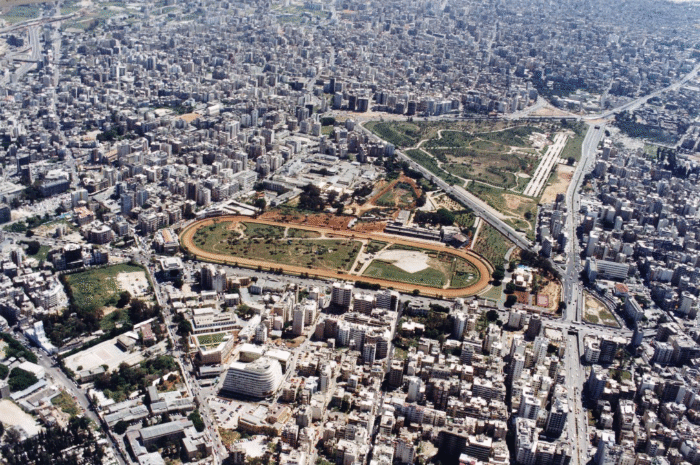
Known locally as the Hippodrome du Parc de Beyrouth, the racecourse has been part of Beirut for more than a century. Horse racing, Arabian horses and betting form part of its identity, but the Hippodrome is also an unusual piece of the city's history – a large green space that has survived war, political change and Beirut's rapid urban development.
For visitors interested in the gambling culture of Lebanon, the Beirut Hippodrome therefore offers something quite different from a conventional casino.
A Historic Racecourse in the Heart of Beirut
The history of horse racing in Beirut stretches back to the late Ottoman period. An earlier racecourse existed in Bir Hassan before plans developed for a new hippodrome alongside Beirut's pine forest.
The present-day Hippodrome emerged during the early decades of the 20th century and became closely connected with the social and sporting life of Beirut.
Its history also contains an interesting casino connection. The original development included plans for a casino building, but the building was never opened as a casino. It eventually became the Résidence des Pins, today the official residence of the French ambassador to Lebanon.
That small piece of history makes the Hippodrome particularly interesting from the perspective of the Arab Casino Directory: horse racing and gambling were part of the wider vision for the site from its early years, even though the planned casino itself never became a reality.
Horse Racing at Beirut Hippodrome
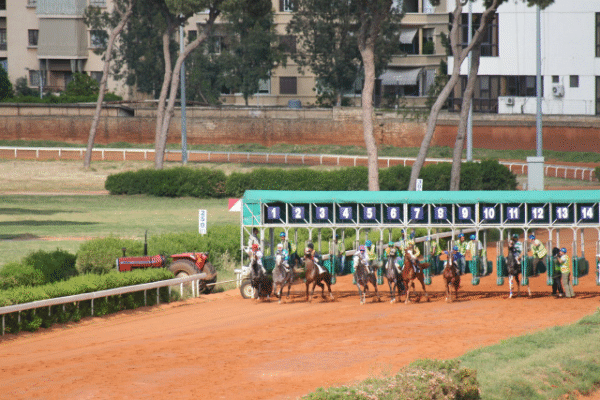
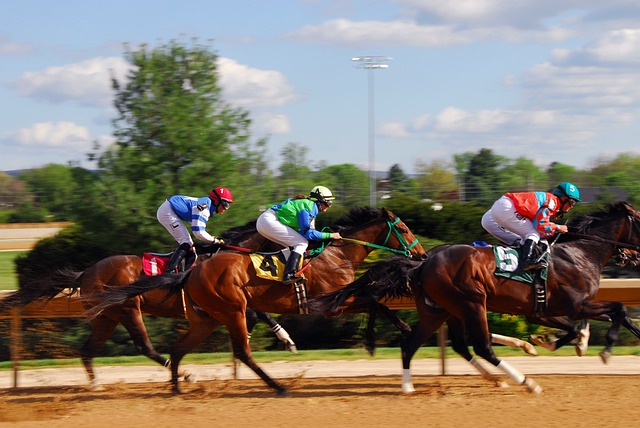
Horse racing remains at the heart of the Beirut Hippodrome.
The racecourse has a particularly strong association with Arabian horses and is managed by the Society for the Protection and Improvement of the Arabian Horse in Lebanon (SPARCA).
Historically, the track became an important centre for racing and the breeding and development of Arabian horses. During its busier periods in the 20th century, race meetings attracted large crowds and formed a regular part of Beirut's social calendar.
Racing continues today, although visitors should not rely on old schedules published online. Race meetings have traditionally taken place on Sundays, but the number and frequency of racing days can vary according to the season, horse availability and the current racing programme.
Anyone planning a visit specifically to see the races should therefore check the latest race calendar before travelling to the Hippodrome.
Betting at Beirut Hippodrome
Betting has traditionally been part of the race-day experience at the Beirut Hippodrome.
Rather than the slots and gaming tables found in a conventional casino, visitors follow the horses, study the races and can place wagers connected with the day's racing programme.
This creates a very different atmosphere from casino gambling. Much of the experience revolves around the horses themselves – their form, pedigree, trainers and performance on the track – before attention turns to the outcome of each race.
Historic accounts of the Hippodrome describe betting windows beneath the grandstand and the lively atmosphere surrounding the placing of bets before a race.
The precise betting facilities and bet types available can change, so visitors interested in wagering should check the current arrangements at the racecourse rather than relying on older descriptions of individual betting systems.
The Arabian Horse Tradition
The importance of the Beirut Hippodrome extends beyond betting.
Arabian horses have a long history in the region, and the racecourse has played a role in maintaining Lebanon's connection with Arabian horse breeding and racing.
SPARCA's involvement reflects this wider purpose. The organisation is concerned not simply with organising races but also with the protection and improvement of the Arabian horse in Lebanon.
This gives a day at the Beirut Hippodrome a cultural dimension that is easy to overlook when concentrating only on the betting.
From Beirut's Golden Years to the Civil War
The Hippodrome has witnessed some of the most dramatic periods in Beirut's modern history.
During the city's more prosperous decades in the middle of the 20th century, the racecourse became a fashionable meeting place. By the 1960s, races were being staged regularly and the venue attracted spectators from different sections of Lebanese society.
Then came the Lebanese Civil War.
The location of the Hippodrome placed it close to Beirut's infamous Green Line, which divided East and West Beirut. The racecourse nevertheless survived the conflict, giving the venue a significance that goes well beyond sport.
Its continued existence today is part of what makes the Hippodrome unusual. Few entertainment venues in Beirut have lived through so many different chapters of the city's history while retaining their original connection with horse racing.
A Rare Green Space in Beirut
Another striking feature is the amount of open land occupied by the Hippodrome.
The racecourse covers roughly 200,000 square metres in a densely developed part of Beirut and sits alongside the city's historic pine forest.
This makes the setting very different from the enclosed atmosphere of a casino. Spectators experience the races outdoors, with the track and surrounding greenery forming part of the character of the venue.
Even for someone with little interest in betting, the location itself offers an unusual glimpse of a quieter and greener side of Beirut.
Beirut Hippodrome vs Casino du Liban
Lebanon's two best-known gambling-related destinations offer very different experiences.
Casino du Liban is a traditional land-based casino with slot machines and table games such as roulette, blackjack, baccarat and poker. The emphasis is on indoor casino gaming, entertainment and the wider casino experience.
The Beirut Hippodrome, by contrast, is centred on horses and racing. Betting accompanies the races rather than being the only reason for the venue's existence.
There is therefore little reason to treat the two as competitors. Someone interested in roulette or blackjack would naturally look towards Casino du Liban, while someone interested in horse racing, Arabian horses and the historic sporting culture of Beirut would find something entirely different at the Hippodrome.
Can Tourists Visit Beirut Hippodrome?
The Hippodrome has historically welcomed spectators as well as racing enthusiasts, but visitors should check the current racing calendar before going.
This is particularly important because a visit on a non-racing day is very different from attending when horses are running and spectators are gathered around the track.
Current access arrangements, admission conditions and race times can also change. Visitors should therefore confirm these details locally before planning their day around a race meeting.
Getting to Beirut Hippodrome
The Hippodrome is located in Beirut next to the city's pine forest and Résidence des Pins.
For international visitors staying in central Beirut, taxi or private transport is generally the most straightforward way of reaching the area.
Traffic conditions in Beirut can vary considerably, so allowing additional travel time is sensible, particularly when arriving for the start of a race programme.
Events Beyond Horse Racing
Over its long history, the Hippodrome has also been used for cultural and public events. Its large open setting makes it one of Beirut's more distinctive event spaces.
However, individual festivals, exhibitions and special events should be checked against the current programme rather than assumed to take place every year.
The racing itself remains the feature most closely associated with the venue.
Why Beirut Hippodrome Still Matters
The Beirut Hippodrome is more than a place to place a bet.
Its story connects Ottoman-era Beirut, Arabian horse breeding, the development of modern Lebanon, the glamorous decades of Beirut's social history and the difficult years of the Civil War.
At the same time, horses still race here.
That continuity gives the venue something that cannot easily be recreated by a modern entertainment complex. For visitors interested in the history of gambling and betting in Lebanon, the Hippodrome provides a useful counterpoint to the country's traditional casino industry.
Beirut Hippodrome FAQ
What is the Beirut Hippodrome?
The Beirut Hippodrome is a historic horse-racing track in Beirut, Lebanon. It has been associated with horse racing, Arabian horses and race betting for more than a century.
Can you bet at Beirut Hippodrome?
Betting has traditionally formed part of the race-day experience at the Hippodrome. Current betting facilities and available wager types should be confirmed at the venue.
When are horse races held at Beirut Hippodrome?
Sunday has traditionally been the principal racing day. However, schedules can vary according to the season, horse availability and the current racing programme, so visitors should check the latest calendar before travelling.
What horses race at Beirut Hippodrome?
The Hippodrome has a particularly strong historical association with Arabian horses and is managed by the Society for the Protection and Improvement of the Arabian Horse in Lebanon (SPARCA).
Is Beirut Hippodrome a casino?
No. Beirut Hippodrome is a horse-racing venue rather than a conventional casino. Betting is associated with the races. Visitors looking for traditional casino games in Lebanon can instead find them at Casino du Liban.
Was a casino ever planned at Beirut Hippodrome?
Yes. The original development included plans for a casino building, but it never opened as a casino. The building later became the Résidence des Pins, the official residence of the French ambassador to Lebanon.
Is the Beirut Hippodrome still operating?
Yes. Horse racing continues at the historic venue, although the number and frequency of race meetings can vary.
Conclusion
For more than a century, the Beirut Hippodrome has occupied an unusual position in the life of the Lebanese capital. It is simultaneously a racecourse, a betting venue, a centre for Arabian horses and a survivor of some of Beirut's most turbulent periods.
It also shows that Lebanon's gambling history is not limited to casino tables and slot machines. While Casino du Liban represents the country's traditional casino culture, the Hippodrome tells another story – one built around horses, racing, betting and a historic green space in the middle of Beirut.
Whether a visitor comes primarily for the races, the horses, the betting or simply the history, the character of the Beirut Hippodrome is very different from that of a conventional casino. That difference is precisely what makes it worth including in the Arab Casino Directory.
Adults only for betting | Betting and gambling laws can change. Visitors should check current local regulations, race schedules and admission conditions before attending or placing a wager. Please bet responsibly.